The Character of God from the Book of Romans
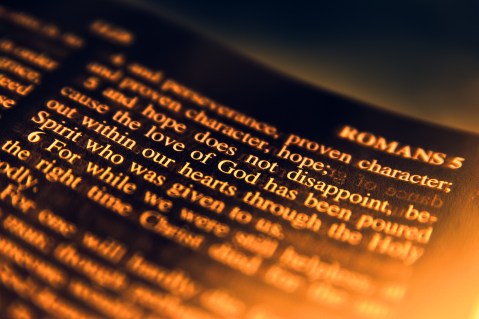
For a while now I’ve been fascinated with how the Bible describes who God is and what He feels. For some, the idea that God has feelings or emotions and reveals them to us may be a strange thought, but we feel deeply because God is a being full of emotion.
Lately this fascination with who God is has taken a more important turn. It seems at every turn there is someone new presenting a different view of who God is that is contrary to the Bible. This would be understandable if it was an enemy of the faith, but more and more often it’s someone claiming the name of Jesus.
So for the last few weeks, as I’ve been reading through the book of Romans I have been paying close attention to what the apostle Paul says about the emotional makeup of God. Who did Paul say He was? What did Paul say God felt? What is God like according to Paul? The following are some thoughts from my study:
- God’s Wrath: Surprisingly, God has strong, stern, fierce anger, which the Bible calls wrath. This wrath is revealed against those who seek to suppress or lessen the truth of holy living through their actions (1:18), God has vessels designed for wrath (9:22), He is severe towards those who fell (11:22), and this wrath is a basis for Paul warning against believers taking revenge on others (12:19). Obviously this severity is held in tension with God’s kindness (11:22) but it should not be ignored. God feels anger against those who do evil. This is significant because often we want to believe that the Old Testament God who showed wrath was a mischaracterization of God. In fact, Paul, the apostle of grace believed that God still felt wrath.
- God is kind: I love this about God. He deals with us with kindness though He could deal with us a thousand different ways. It’s His kindness that leads us to repentance (2:4) and it’s this kindness that He continues to display to us who continue to believe (11:22). This kindness must be held in tension with God’s severity (11:22), since He has both and one doesn’t cancel out the other.
- God is just: God’s justice means He does what is right. He has a just sentence against those who do evil (1:32) and the idea that God would ever be unjust is unthinkable to Paul (9:14). We would do well to remember that God doesn’t bend His thoughts or actions around our thoughts about what is right or not.
- God is merciful: God gives mercy to those who don’t deserve it out of the goodness of His character. The idea that God would invite humans regardless of ethnicity or sin into His very life is mercy that should motivate us to submit to God (12:1) and His mercy is especially revealed in welcoming Gentiles who weren’t looking for God (15:19).
- God feels love: God actually feels affection for human beings. He is not an unfeeling stoic or an unloving Father. In fact, when we follow Christ, we receive from God a love that we cannot be separated from despite our circumstances (8:39) and this love motivates us to pray (15:30). If you understand the meaning of love but don’t feel loved by God, I would encourage you to spend time meditating on these verses. God actually wants to pour out love into our hearts experientially.
- God can be pleased: God can actually be happy based on the actions of His people. Paul says that God is pleased through a life lived by the Spirit and by believers living without judging other believers (14:8). God is ultimately pleased by the death and resurrection of His Son, but he finds pleasure when those who have experienced the reality of the cross live lives trying to please Him.
- God is generous: There is no stingy-ness in God, despite what you sometimes see in His people. Paul says that God “abounds” or overflows with generosity (10:12) to those who call on Him. This is a God who isn’t half-hearted in His commitment to us, He overflows with generosity.
- God is faithful: This means God doesn’t change. Paul says His faithfulness remains in spite of our faithlessness (3:3). If God has spoken, we can trust Him to do it regardless of the situations going on around us.
- God is wise: You can’t read the book of Romans without believing that God is smart and knows what He’s doing. Paul calls Him the only wise God (16:27). He stands out in His wisdom, even though the world often believes that the things God says are foolish. They don’t see the end like He does.
Paul believed that God had a deep well of emotions. God was full of wrath, kindness, justice, mercy, love, pleasure, generosity, faithfulness, and wisdom. He was all of these without denying any of them. This is the God of the New Testament–the God and Father of our Lord Jesus Christ. We must not deviate from this representation of God, even if it makes us uncomfortable.
What surprised you? Did I miss anything? How does what is revealed here mean for our lives?
Photo Credit: Hope Does Not Disappoint by Dane Vandeputte
So…Why Haven’t You Started A House Church Yet?

You may remember. You may not. You may be new around here. So, regardless of what group you fall in, let me take this moment and remind you: I want you to plant a house church.
That said, I thought I’d ask you a question. I know some of you have started and/or are part of house churches. My guess, though, is the majority of you are not currently part of a house church.
So what keeps you from starting a house church?
This isn’t a rhetorical question–I actually want to know! I really want to understand what stands in the way of everyday people who love Jesus from starting house churches among the lost. Is it fear? Are you being held back by another believer in your life? Are there struggles with your faith that are holding you back? Do you just not think house churches are important? Do you think that only apostles can start a house church? Is it none of the above, but something else?
I’d really like to know. My goal isn’t to expose you but to get a feel for what holds people back so we can all move forward, see more folks come to Christ, and see more house churches started.
So, what’s holding you back? You can leave a message in the comment section or you can email me at pursuingglory at gmail dot com.
Photo Credit: City Group O6-07-2017 by Parker Knight
God the Artist and Jesus the Muse
 From the beginning of time, God has been in love.
First, He was in love with the most pure, Holy, and right being in the universe for anyone to love–Himself. And this love of God for Himself has always been expressed in the relationship between God the Father and God the Son.
Eventually this explosion of love between God and His Son overflowed to the point where it had to be shared with others. Out of this ridiculously pure and holy love, God the Father was driven to create. So He said “Let there be light,” and “Let there be space between the waters,” and “Let lights appear in the sky to separate the day from the night” and so on. The crowning act of love expressing itself in art by these two was expressed on the sixth day: “Let us make human beings in our image, to be like us,” (Genesis 1:26).
So everything that was created was created, not out of utility, but out of love. The Father loved the Son (because the Son was the exact expression of the Father) and that love culminated in the creation of the Earth. You and I and the computers or phones we are reading this on and the chairs we sit in and the views we see from where we sit were all designed as an expression of love for God. God creates out of love for Himself and now out of love for us.
Friends, we are all artists. We were designed to be like God. We were made in His likeness. Not only that, but when we decide to follow Christ, God promises that the very Spirit of God comes to live inside of us. This Holy Spirit contains the very creativeness of God within Him, so as believers we should be some of the most creative people on the face of the planet. Not all of us will paint or write or sing, but all of us will create. It’s part of our nature and part of having the Spirit of God within us.
While we are all called to be creative, not all of us are. By looking at the example of God, we see that true creativity is birthed out of love. Truly creative ideas, the kind that change the world and leave a mark on history, aren’t birthed out of selfishness and the desire to be an artist. They are birthed out of a passionate love that grips the artist so that he or she creates must create. If we want to be an artist, we must fall in love.
The secular world talks frequently of muses. Originally these were daughters of Zeus who as spirits inspired artists and scientists. In today’s world we use the word to refer to people who become the inspiration for our art. These muses give writers and directors and painters ideas and provoke art. But from the beginning of time, God had One muse: His Son.
Our level of creativity as Christians is tied to the level that we are loving and musing on Jesus. The more we love Christ and think on Him, the more creative we will become, because our creativity will be birthed from the same fountain that caused God the Father to create the Earth. Paul wrote that without love we are a noisy gong or clanging symbol. The love of Christ compelling us to create keeps us from that kind of gaudy, temporary, short-lived art that doesn’t really matter. Love for Christ frees us to make art that resonates for eternity.
So work at expanding your skills. Get better at whatever your craft is. But in all your attempts to be a better artist, muse on Christ. Love Him well. The love of Him will fill you inspiration to create from a place of purity and inspiration the world will never be able to replicate.
In all your getting, artist, get a love for Christ.
[Related: Jonathan Edwards on the Relationship of the Trinity]
Cluster Map

 Pursuing Glory